Heart valve disease
A valve that has become narrow or leaks can be repaired, or replaced with a new valve.

Procedures Heart surgery
Surgery on the heart valves, the coronary arteries and the large blood vessels around the heart, at Life Rosepark Hospital in Bloemfontein.
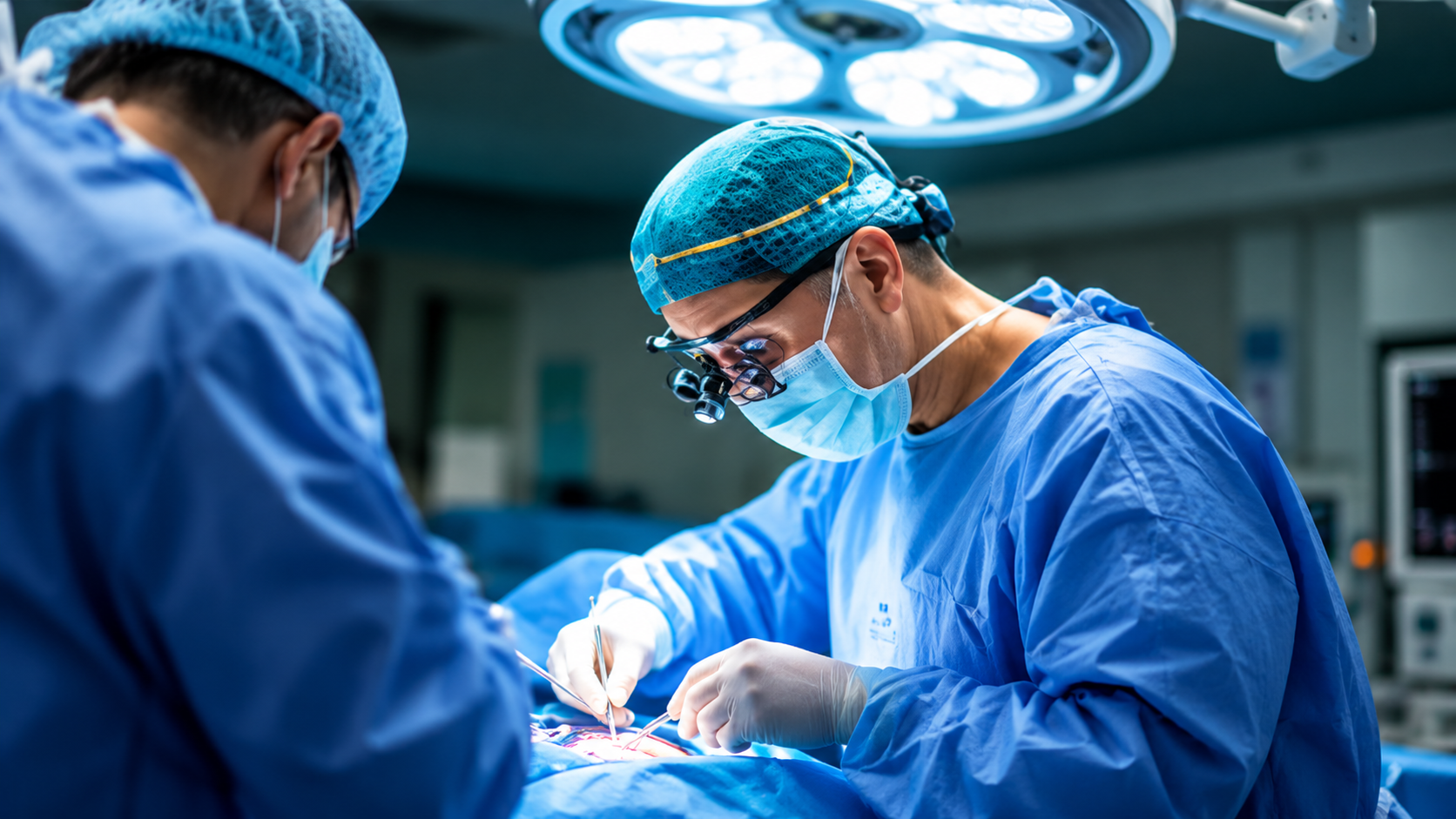
 Adult heart surgeryLife Rosepark Hospital

Your heart is a muscle that pumps blood through your lungs to pick up oxygen, and then around your body. Heart surgery usually involves one of these three parts.
Four valves open and close with every heartbeat, so blood flows through the heart in one direction.
Small arteries on the surface of the heart that supply the heart muscle with oxygen-rich blood.
The aorta and the other large vessels that carry blood to and from the heart.
Your cardiologist will usually have found the problem with tests. These are the main groups of conditions that may need an operation.
A valve that has become narrow or leaks can be repaired, or replaced with a new valve.
When the main artery from the heart stretches and weakens, the weak part can be replaced with a graft.
The aorta is the largest artery in the body.
A bypass operation uses a blood vessel from elsewhere in your body to carry blood around the blockage.
Some adults have a hole between the chambers of the heart that needs to be closed.

Being referred to a heart surgeon doesn’t always mean you need an operation. A consultation is a chance to look at your heart together and decide on the best way forward.
A cardiologist or another treating doctor may recommend a surgical assessment.
Dr Jordaan looks at your scans, test results and medical history.
Together you talk about whether an operation is the right step for you, and what the other options are.
Every patient’s operation and recovery is different. Dr Jordaan will explain what to expect in your case.

Dr Jordaan looks at your tests, examines you and explains the operation, the risks and your recovery.
You may need a few more tests, and we’ll tell you which medicines to stop and when to come in.
You’re asleep under a general anaesthetic. Afterwards you wake up in ICU, where you’re watched closely.
You move to the ward, then home. We see you at the rooms to check on your wound and your progress.
Going home is an important step. Your care carries on at the rooms until you’re back on your feet.
Come to your follow-up appointments and follow the advice of the team looking after you.
Take up your normal activities again step by step, as Dr Jordaan and the team advise.
Follow your discharge instructions, and call the rooms or your doctor if something worries you. In an emergency, go to the nearest emergency unit.
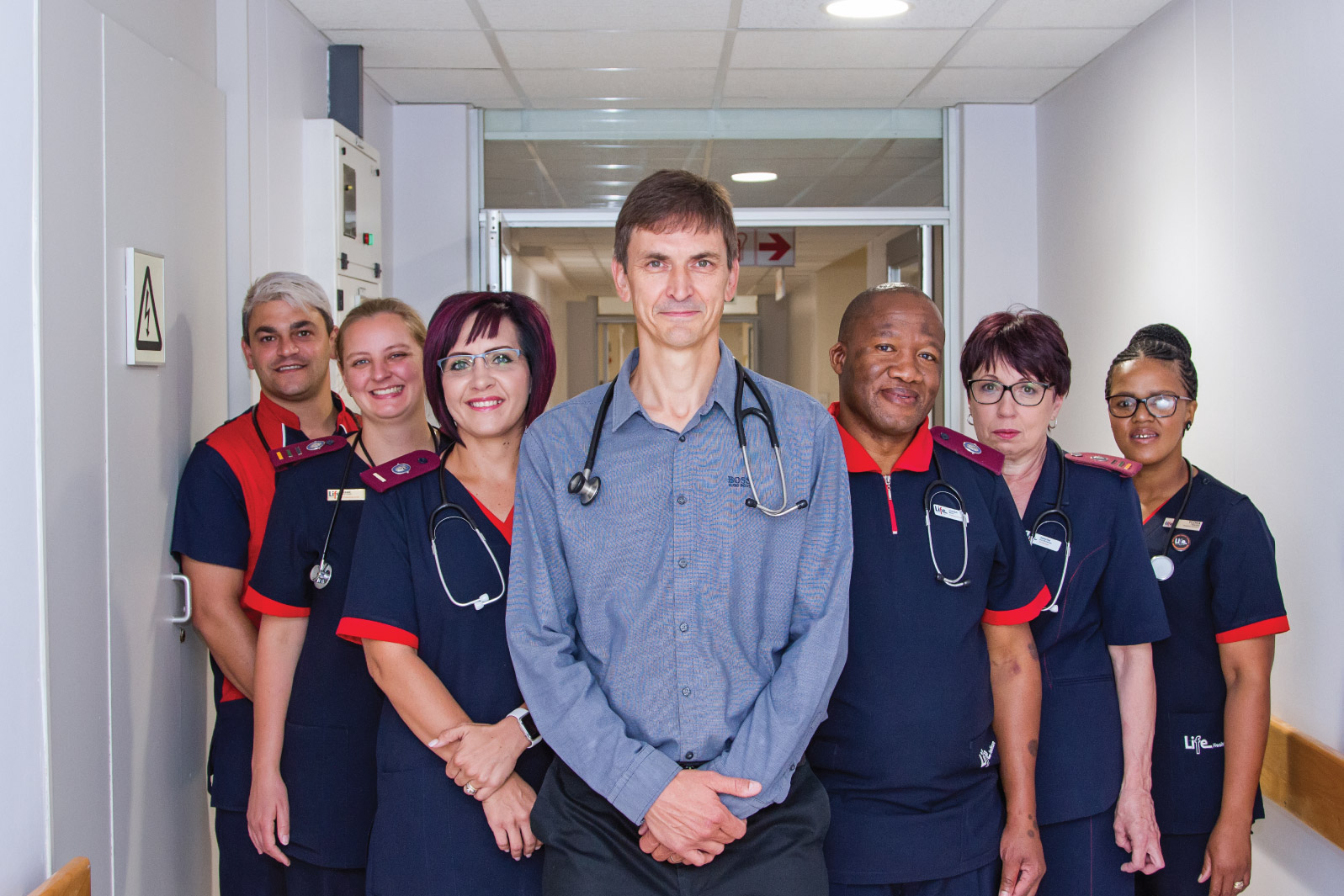
Common questions
It’s normal to have a lot of questions before an operation. Here are a few we hear often. Ask us anything else at your consultation.
Yes. After heart surgery you go to the intensive care unit (ICU), where nurses watch you closely while you wake up and start to recover. When you’re ready, you move to a ward.
It depends on the operation and how quickly you recover. Dr Jordaan will give you an estimate at your consultation.
Your breastbone needs time to heal after most heart operations, so you can’t drive or lift heavy things for a few weeks. We’ll tell you when it’s safe at your follow-up visit.
Most patients are referred by a cardiologist or another doctor. If you’re not sure, call the rooms on +27 (0)51 522 0051 and we’ll help.
Call the rooms to arrange a consultation with Dr Jordaan.